
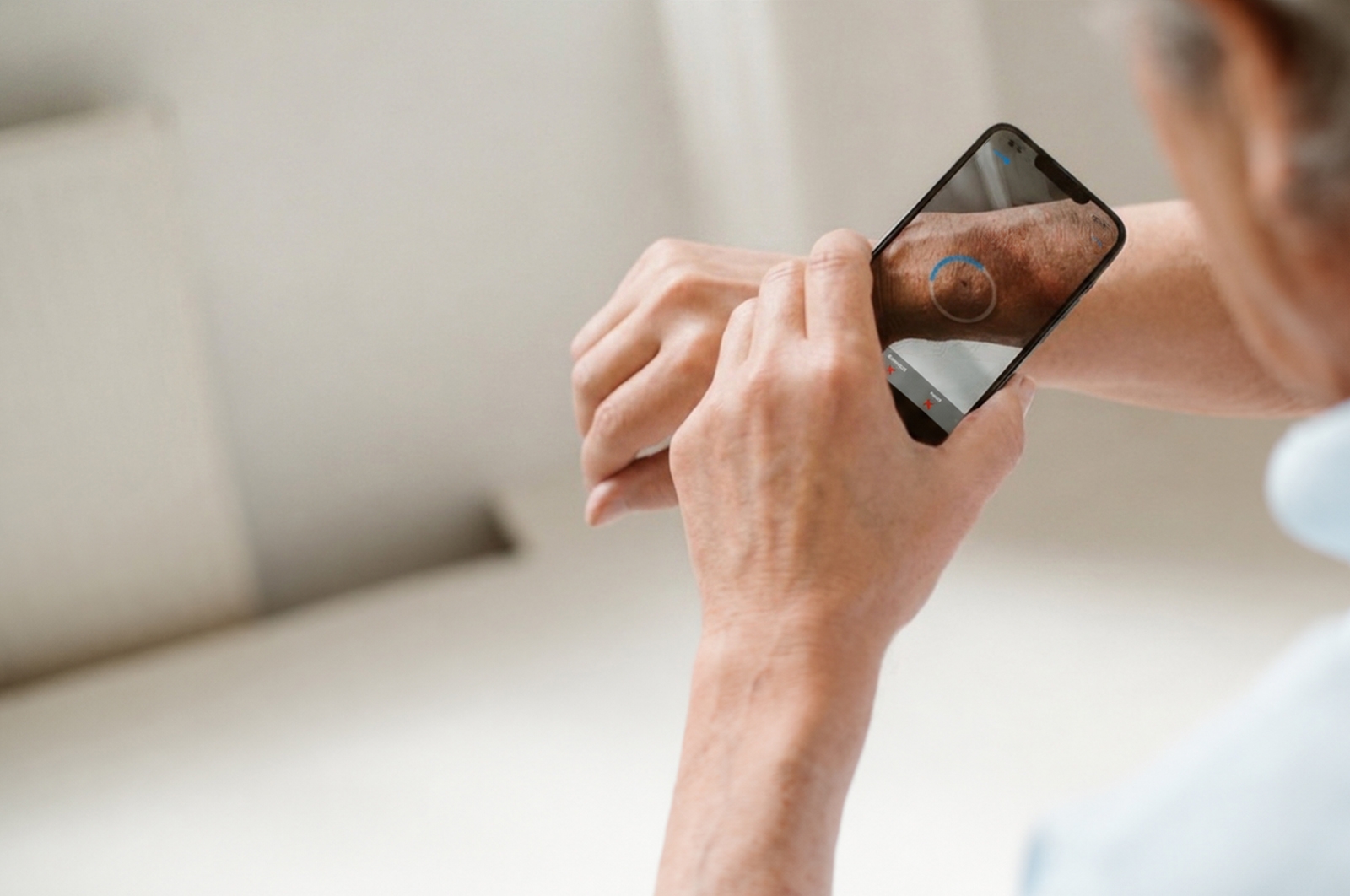
What is Skin Cancer?
Skin cancer is one of the most common cancers in the world – and it can appear anywhere on the body. The main cause? Too much exposure to ultraviolet (UV) rays from the sun or tanning beds.
Over the past few decades, skin cancer rates have risen sharply in many Western countries due to increased sun exposure and changing lifestyle habits.
What Causes Skin Cancer?
Anyone can get skin cancer – no matter your age, gender, or skin tone. The biggest risk factor is UV radiation, which comes from:
- The sun (especially midday)
- Sunbeds or tanning lamps
UV rays
UV rays can damage your skin’s DNA over time, even before you notice anything on the surface. This is especially true in people with light skin tones. For example, sunburns, especially in childhood, can increase your risk later in life. There are 3 types of UV rays:
- UVA – deeply penetrates the skin and contributes to aging and skin cancer.
- UVB – causes sunburn and plays a key role in skin cancer development.
- UVC – blocked by the atmosphere and not a major concern.
UV intensity varies with the time of day, season, and weather, and is measured by the UV Index (1=low,11+=extreme). Use this as your guide for sun safety.
Other risk factors
While UV exposure is the top cause, other things can increase your skin cancer risk:
- Family or personal history of skin cancer.
- Weakened immune system (e.g. from illness or organ transplant).
- Certain viruses (like HPV).
- Genetic mutations (e.g. BRAF gene).
- Past radiation treatment.
- Exposure to harmful substances (e.g. arsenic).
How Skin Cancer Develops
Your skin has three layers:
- Epidermis – outer layer.
- Dermis – middle layer with nerves, blood vessels, and glands.
- Hypodermis – fat and connective tissue.
Skin cancer starts in the epidermis, which contains three main types of cell:
- Squamous cells (top layer).
- Basal cells (beneath squamous cells).
- Melanocytes (produce skin pigment or melanin).
The most common skin cancers are basal cell carcinoma (BCC) and squamous cell carcinoma (SCC), which begin in the basal and squamous layers of the skin, respectively. These types of cancers can usually be cured but often leave scars and are costly to treat. Melanoma, arising from melanocytes, is less common but far more deadly because it spreads easily to vital organs.
Early Warning Signs of Skin Cancer
While melanoma is the most dangerous form, it is still important to pay attention to non-melanoma skin cancers and understand the various ways in which they manifest. Some pre-cancerous skin lesions may also evolve into skin cancer over time. When caught early, most skin cancer types are treatable. That’s why it is important to check your skin regularly for any irregularities and see a doctor whenever you are concerned about something. Keep an eye out for these changes on your skin:

Types of Skin Cancer and Pre-Cancerous Changes
Pre-cancerous skin changes
Not all concerning spots are cancer yet, some are called pre-cancerous. These lesions grow slowly but can sometimes develop into skin cancer if left untreated. Early detection and monitoring of these lesions can prevent progression to skin cancer. The two most common types of precancerous squamous skin lesions are:
- Actinic Keratosis, which is a common squamous skin lesions caused by long-term exposure to sunlight, increasing with age.
- Bowen’s disease, an early form of skin cancer limited to the top layer of the skin and often seen in older White adults. Other causes may include viruses, radiation, immunosuppression, or arsenic exposure.
For more in-depth information, visit DermNet®, a free and trusted resource on skin conditions.
Cutaneous melanoma
Melanoma is the most dangerous type of skin cancer and causes the majority of skin cancer–related deaths. It develops in melanocytes, the cells that give skin its colour, usually as a new spot rather than from an existing mole. Most melanomas are caused by UV exposure from the sun or tanning beds, although genetics can also play a role. Melanoma can appear anywhere on the skin and may be dark, light, or even colourless, which can make it harder to recognise. While many melanomas are caught early and do not spread, some can grow quickly and spread to other parts of the body, even when still small. Treatment usually involves surgical removal, and more advanced cases may require additional treatments such as immunotherapy. Early detection is critical, as melanoma is highly treatable when found early.

Non-melanoma skin cancer
Non-melanoma skin cancers arise from keratinocytes, the main cells in the skin’s upper layer (epidermis). They can include:
- Benign (non-cancerous) skin lesions.
- Pre-cancerous skin lesions.
- Malignant skin cancers, mainly basal cell carcinoma (BCC) and squamous cell carcinoma (SCC).
In fair-skinned populations, BCC and SCC together are more common than all other cancers combined. The main cause is UV radiation from sunlight or tanning beds. Other, less common, risk factors include artificial UV sources (PUVA therapy), arsenic exposure, ionizing radiation, HPV infection, smoking, rare genetic syndromes (e.g. xeroderma pigmentosum) and immunosuppressed individuals (organ transplant patients).
The standard treatment for BCC and SCC is usually surgery, with the goal of removing the cancer completely with clear margins. This can be done in different ways, including cutting it out (excision), scraping and burning (electrodesiccation and curettage), freezing (cryosurgery), or using a special technique called Mohs surgery (often used for high-risk or recurring cancers). These methods work very well for cancers that are still local, with more than 95% of patients cured within five years. When the cancer has spread or cannot be removed with surgery, targeted medicines such as immunotherapy may be used.
Below are the most common types of non-melanoma skin cancers. For more in-depth information, visit the healthcare professionals page and DermNet®, a free and trusted resource on skin conditions.
Basal cell carcinoma
Basal cell carcinoma (BCC) is the most common type of skin cancer, accounting for around 75–80% of all cases. It develops in the skin’s basal cells, which are found in the outer layer of the skin and help produce new skin cells. BCC often forms after years of sun exposure. Men are slightly more likely than women to develop BCC, but it can affect anyone.

Where does BCC usually appear?
BCC is most often found on sun-exposed areas of the body, such as the face and neck, the scalp, the trunk, arms, and legs.
What does BCC look like?
BCC can look different from person to person, but common signs include:
- A skin-coloured or pink bump with a shiny or pearly appearance.
- Small visible blood vessels on the surface.
- A sore that doesn’t heal or heals and then comes back.
- In later stages, a small ulcer or crater may appear in the centre.
Some BCCs appear as:
- A shiny or pearly bump.
- A flat, reddish patch.
- A scar-like area that may feel firm or waxy.
How does BCC behave?
BCC usually grows slowly and tends to stay in the area where it started. While it can damage surrounding skin if left untreated, it very rarely spreads to other parts of the body (less than 1% of cases).
What is the outlook?
The outlook for BCC is very good, especially when it is detected early. The risk of spreading to other organs is extremely low. However, some types of BCC may come back after treatment, so regular skin checks are important.
Squamous cell carcinoma
Squamous cell carcinoma (SCC) is the second most common type of skin cancer. It often develops from early sun-related skin changes, such as actinic keratosis or Bowen’s disease. SCC is slightly more common in women than in men.

Where does SCC usually appear?
SCC most commonly develops on sun-exposed areas of the skin, including the head and neck, the trunk, legs. Some less common types can appear on the genital area, hands, feet, or under the nails, and SCC can also develop in areas of long-term scars, wounds, or chronic inflammation.
Where does SCC look like?
SCC often starts as a red, scaly patch that slowly becomes a thickened, rough, or crusty lump. It may break open, bleed, or form an ulcer. If the tumour grows near nerves, it can sometimes cause pain, tingling, or numbness.
How does SCC behave?
Compared to basal cell carcinoma, SCC tends to grow faster and deeper into the skin. It has a higher chance of spreading to other parts of the body, usually first to the nearby lymph nodes, especially if left untreated.
What is the outlook?
When detected and treated early, the outlook for SCC is generally very good, with over 90% of cases cured within five years. Early detection and regular skin checks play an important role in preventing complications.
Reducing Risk for Skin Cancer: How to Lower Your Risk
Most skin cancers are preventable. Follow these steps to stay protected:
- Stay in the shade (especially 11 a.m.–4 p.m.)
- Wear protective clothing and a wide-brimmed hat.
- Use sunglasses with UV protection.
- Apply broad-spectrum sunscreen (SPF 30+), and reapply every 2 hours.
- Avoid tanning beds — they’re not safer than the sun.
- Check the UV Index and take extra care when it’s 3 or higher.
Even on cloudy days, UV rays reflect off water, sand, and snow.
Don’t forget the hidden spots!
While painted nails are pretty, removing the nail polish from your fingers and toes once a month and checking your nails can be a lifesaver. Skin cancer lesions may also appear under nails, not just on the skin exposed to the sun.
Finally, check yourself regularly and your loved one’s skin. Once every three months make sure to check your skin from head to toe. Check your partner’s and your child’s skin as well: some risky spots can appear in places we don’t normally see such as your scalp, back, and ears. Keep an eye out for irregular moles with the ABCDE melanoma self check method.
Do the ABCDE checklist
Professionals often use this helpful checklist when advising patients on what to look for in relation to melanoma detection.
- A Asymmetrical – Melanomas are distinctly asymmetrical
- B Border – Melanomas have uneven borders
- C Colours – Melanomas will contain at least two distinct colours
- D Diameter – Melanomas are bigger than ¼ inch across
- E Enlargement – Melanomas grow in size over time
Read more on our article: ABCDE self-check & signs of skin cancer