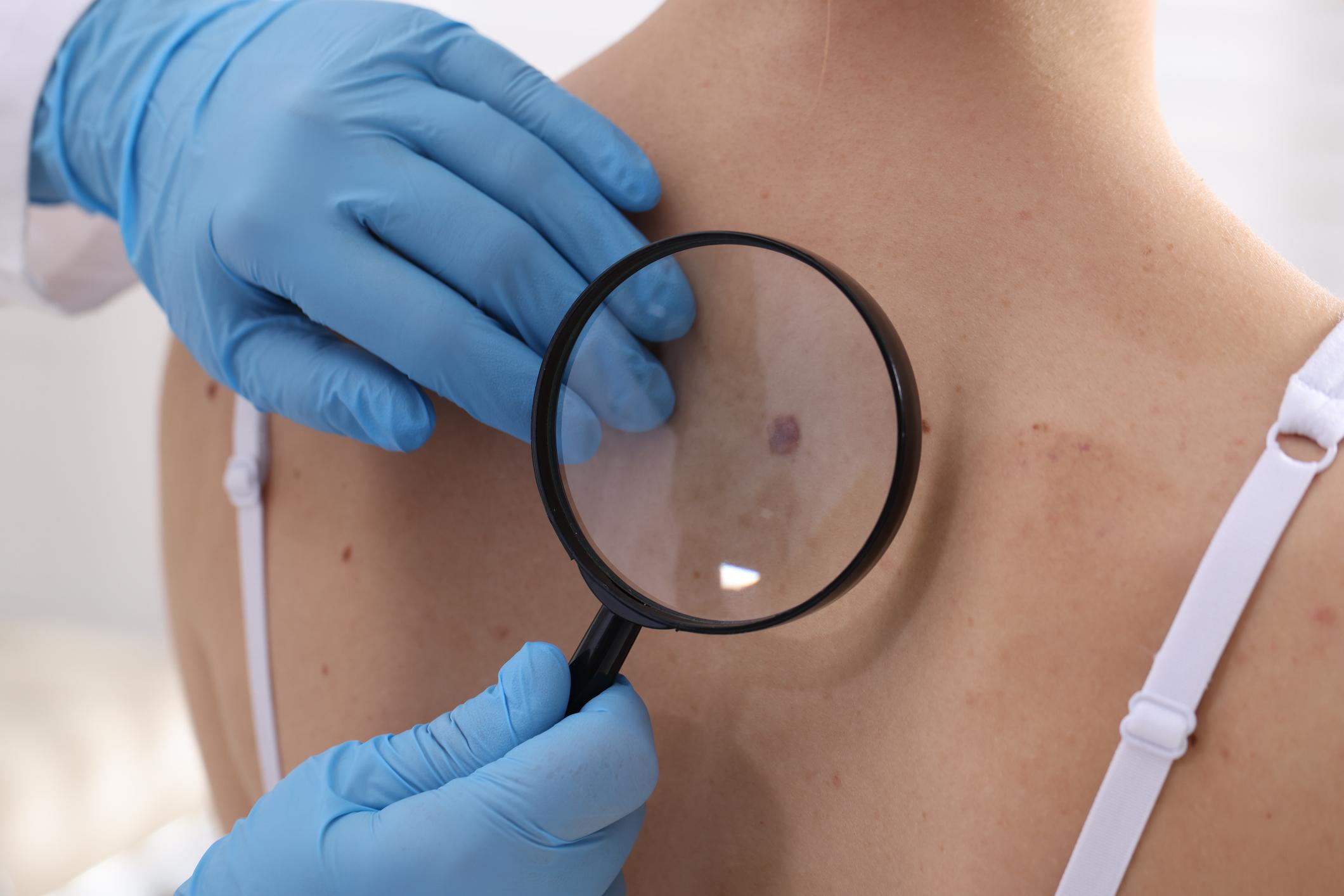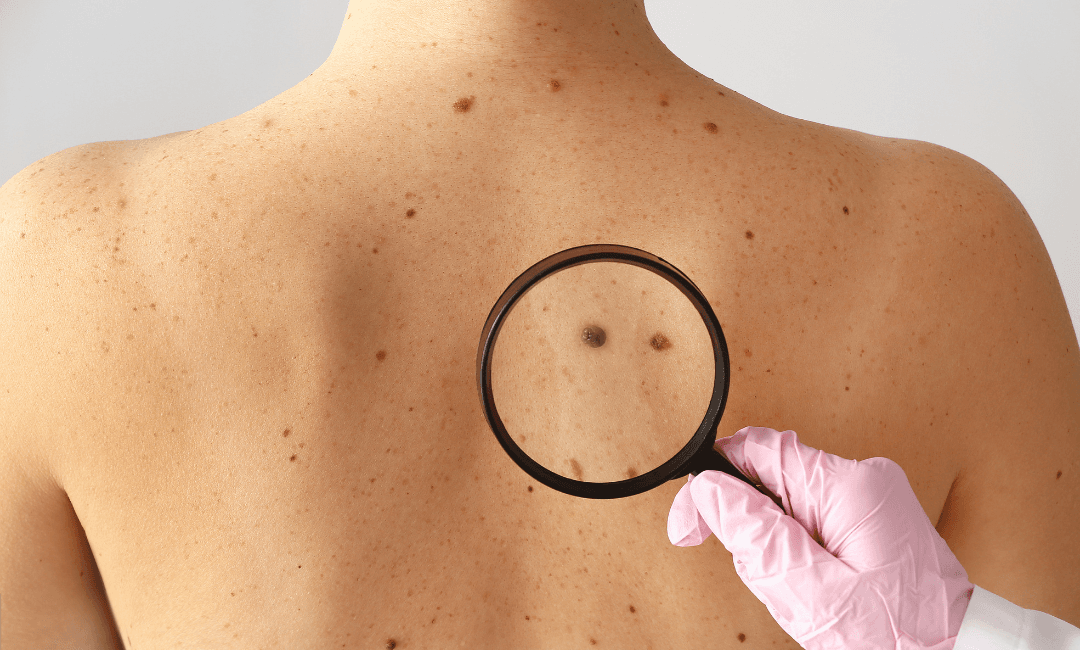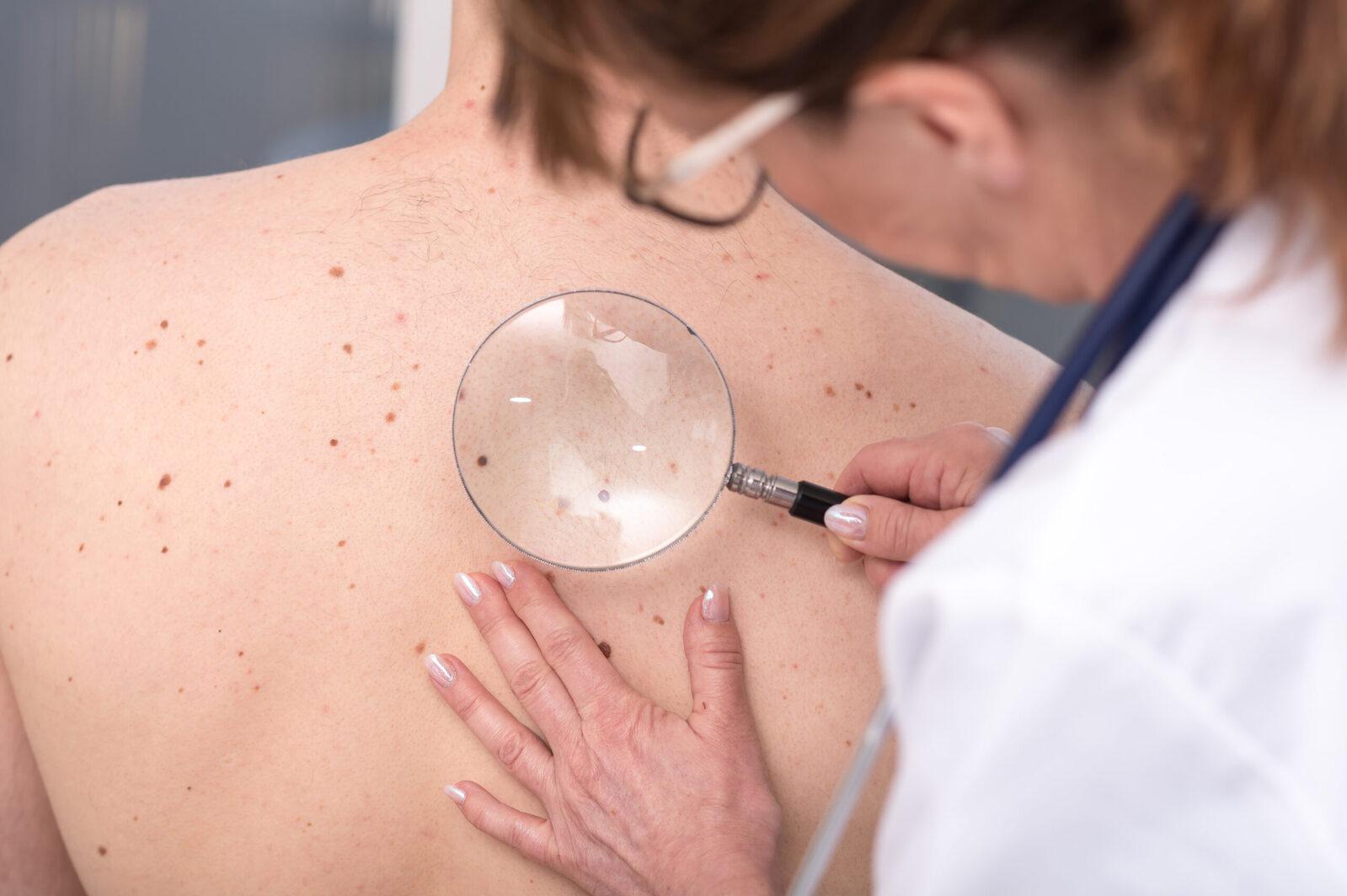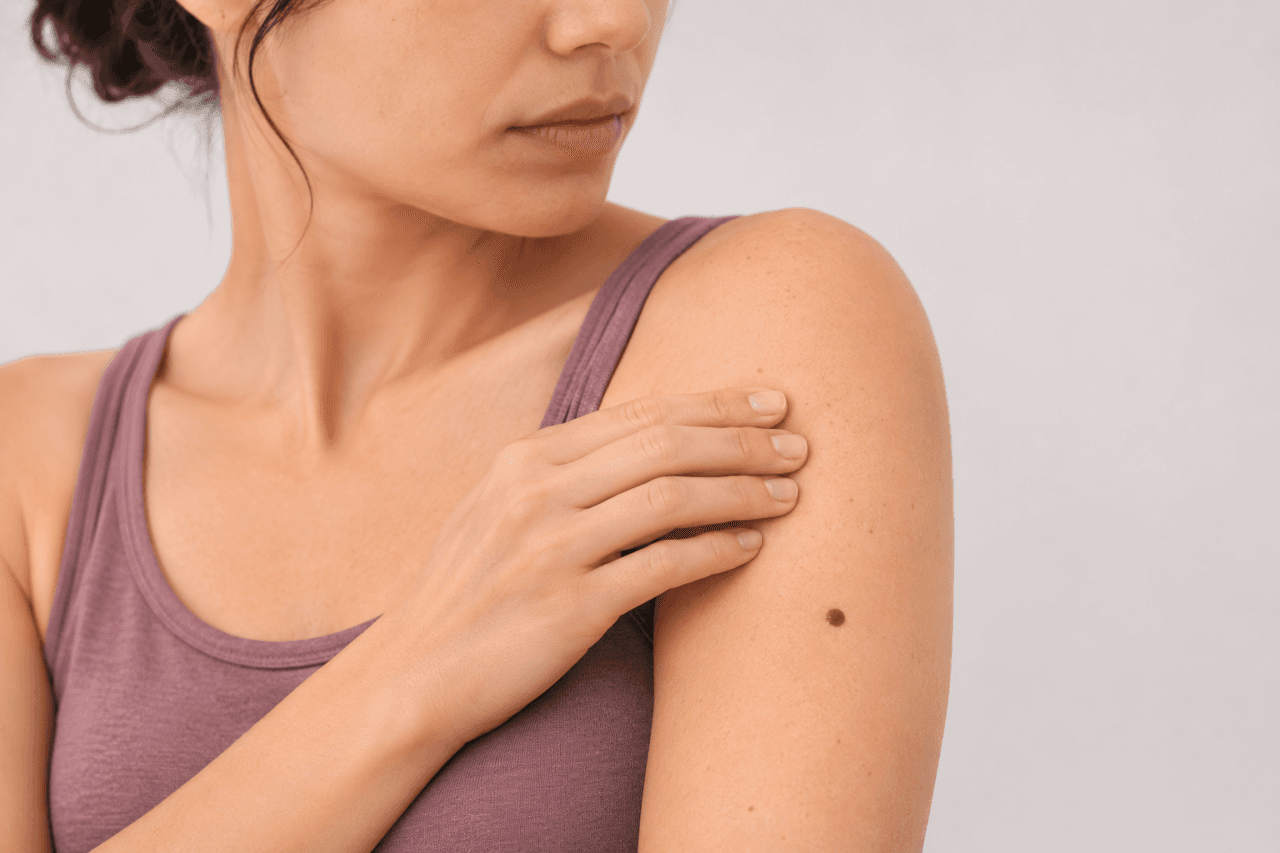
Mole removal is a common procedure that may be recommended for medical or cosmetic reasons. Most moles are harmless and do not need treatment. However, a mole may need to be removed if it looks suspicious, changes over time, becomes irritated or causes cosmetic concerns.
There are different approaches to mole removal, including surgical excision and shave removal. The most appropriate method depends on the type of mole, its appearance, location and whether it needs to be examined for signs of skin cancer.
Understanding how the mole removal procedure works, what the procedure involves and what to expect afterwards can help you make informed decisions about your skin health.
When Should a Mole Be Removed?
Not every skin moles needs to be removed. A dermatologist or other qualified healthcare professional will assess a mole and determine whether removal is necessary. There are two main reasons why someone might consider mole removal:
Medical reasons
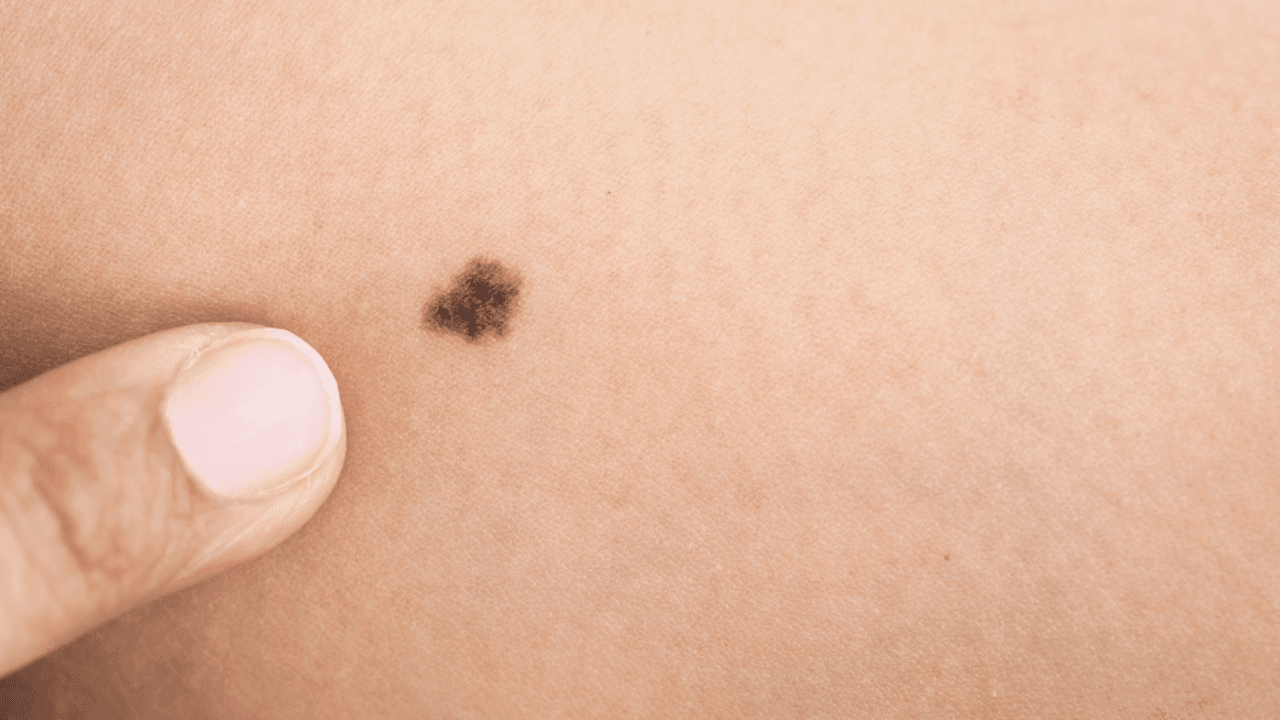
A mole may need to be removed if there are concerns about skin cancer, particularly melanoma. Changes in a mole’s appearance can sometimes indicate an underlying problem. Warning signs include:
- Asymmetry: One half of the mole looks different from the other.
- Border: The edges are irregular, uneven or poorly defined.
- Colour: The mole contains several colours or uneven shades.
- Diameter: The mole is larger than 6 mm, although melanomas can also be smaller.
- Evolution: The mole changes in size, shape, colour or appearance over time.
Other warning signs include itching, bleeding, crusting or a mole that looks noticeably different from your other moles. If you notice any of these changes, arrange an assessment with a healthcare professional. Do not attempt to remove a suspicious mole yourself.
Cosmetic reasons
Some people choose to have a harmless mole removed because of its appearance or location. For example, a raised mole might repeatedly catch on clothing, become irritated when shaving or cause cosmetic concerns.
A healthcare professional should assess the mole before cosmetic removal to make sure that the chosen procedure is appropriate.
What Are the Different Mole Removal Methods?
The appropriate mole removal method depends on the mole’s characteristics and the reason for removing it. Two commonly used surgical approaches are surgical excision and shave removal.
Surgical excision
Surgical excision involves removing the entire mole using a surgical instrument. The healthcare professional first applies a local anaesthetic to numb the area. They then cut out the mole and, when appropriate, a small amount of surrounding skin.
Stitches may be needed to close the wound, depending on the size and depth of the removal.
Surgical excision is commonly used when a mole needs to be examined for possible skin cancer. The removed tissue can be sent to a laboratory for examination under a microscope.
This procedure may leave a scar, although its appearance varies depending on the size and location of the mole and how the skin heals.
Shave removal
Shave removal involves using a surgical blade to remove a raised mole from the skin. The area is first numbed with a local anaesthetic. The healthcare professional then carefully removes the raised portion of the mole.
Stitches are usually not needed., as the procedure generally leaves a shallow wound that heals over time.
Shave removal is mainly used for certain raised moles that appear benign. The removed tissue can also be sent to a laboratory for examination. However, because this technique may not remove the full depth of the mole, it is not usually suitable for moles that look suspicious.
If melanoma is suspected, the whole mole is usually removed with a small margin of normal skin (an excisional biopsy) so it can be examined in full.
Can You Remove a Mole at Home?
No. Removing a mole at home is not recommended.
You may find online products, creams or home remedies claiming to remove moles without professional treatment. However, these approaches can cause several problems:
- Infection: Cutting or damaging the skin can introduce bacteria.
- Scarring: Improper removal can leave permanent or uneven scars.
- Skin damage: Chemical products and other home treatments can irritate or injure surrounding skin.
- Delayed diagnosis: If a mole is cancerous, removing or damaging it without proper assessment may delay diagnosis and appropriate treatment.
A mole that appears harmless may still need professional assessment. A healthcare professional can determine whether it should be monitored, removed or examined further.
What Happens During the Mole Removal Procedure?
The exact process depends on the removal method and the characteristics of the mole. For surgical removal, the procedure generally involves the following steps:
- Initial assessment: A healthcare professional examines the mole and determines whether removal is appropriate.
- Local anaesthetic: The area around the mole is numbed using a local anaesthetic injection.
- Mole removal: The mole is removed using the selected surgical technique.
- Wound care: The area is cleaned and dressed. Stitches may be used if necessary.
- Laboratory examination: The removed tissue is usually sent to a laboratory for examination.
Mole removal is generally performed as an outpatient procedure, meaning you can usually go home afterwards. Your healthcare professional will explain the procedure, possible risks and aftercare instructions before treatment.
Is Mole Removal Painful?
Mole removal is generally performed using local anaesthetic, which numbs the area being treated.
You may feel a brief sting when the anaesthetic is injected. Once the area is numb, you should not feel significant pain during the removal itself, although you may notice some pressure or movement.
Some tenderness or discomfort can occur after the anaesthetic wears off. Your healthcare professional can advise you on appropriate ways to manage this.
The level of discomfort varies depending on the removal method, the mole’s location and the individual.
Does Mole Removal Leave a Scar?
Recovery depends on the mole removal method, the size of the wound and its location. After treatment, your healthcare professional will explain how to care for the area while it heals.
General aftercare may include:
- Keeping the wound clean and following the recommended dressing instructions.
- Avoiding activities that could stretch or reopen the wound.
- Following instructions about bathing, swimming and exercise.
- Attending any recommended appointments for stitch removal.
- Protecting the healing area from excessive sun exposure.
If stitches are used, the timing of their removal depends on the location of the wound and the type of stitches. Contact your healthcare professional if you notice increasing pain, swelling, spreading redness, pus or other signs that the wound may be infected.
Can a Mole Grow Back After Removal?
Yes. A mole can sometimes grow back, particularly if some mole cells remain in the skin. This is more common after shave removal, as the deeper part of the mole may stay in place.
A recurring mole may appear as new pigmentation or a mark in or around the original removal site.
If a mole appears to grow back, arrange an assessment with a healthcare professional. It is important to have the area checked rather than assuming that the change is harmless.
Your healthcare professional can determine whether further examination or treatment is needed.
How to Protect Your Skin After Mole Removal
After the mole removal, it is important to follow your healthcare professional’s wound-care instructions. Once the area has healed, continue protecting your skin from excessive ultraviolet (UV) exposure.
Helpful habits include:
- Using broad-spectrum sunscreen with an appropriate SPF.
- Wearing protective clothing and seeking shade when the sun is strongest.
- Avoiding tanning beds and artificial tanning devices.
- Checking your skin regularly for new or changing spots.
Remember that removing one mole does not eliminate your risk of developing skin cancer elsewhere on your skin. Regular skin checks can help you notice changes that may need professional assessment.
Take Care of Your Skin

Knowing what is normal for your skin makes it easier to recognise unusual changes. Pay attention to new spots and existing moles that change in appearance. If you are concerned about a mole, seek advice from a healthcare professional rather than attempting to remove it yourself.
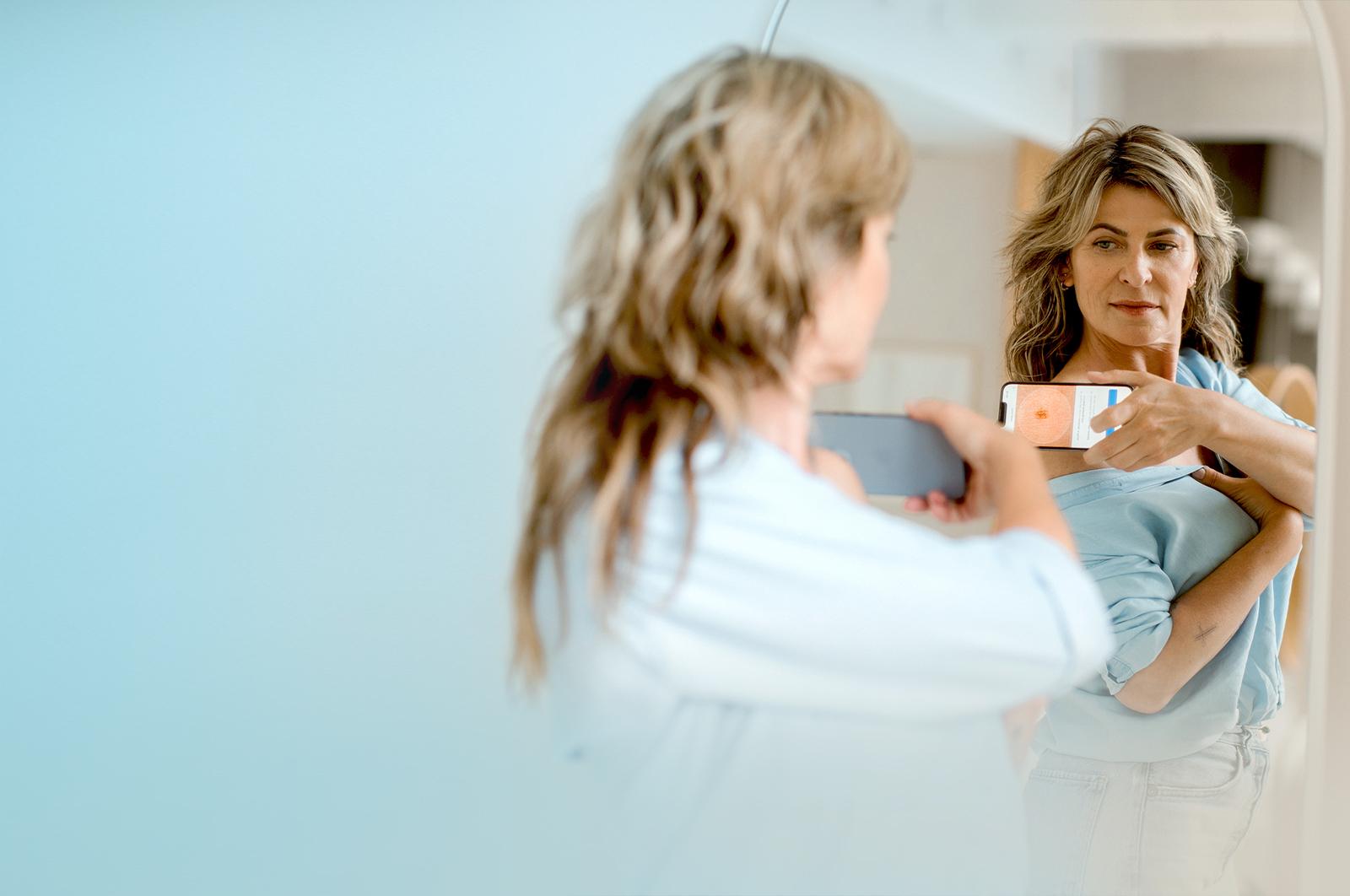
SkinVision skin checking app can support regular skin monitoring by helping users check skin spots and keep track of changes. However, it does not replace a professional medical examination or diagnosis.
Taking an active approach to skin health can help you recognise changes and seek appropriate medical advice when needed.
Use SkinVision app to check your moles for signs of skin cancer and track changes over time.
FAQs about Mole Removal
Can all moles be removed?
Most moles can be assessed for removal, but not every mole needs treatment. The appropriate approach depends on its appearance, location, medical significance and whether further investigation is necessary.
What is the safest way to remove a mole?
The safest approach is to have a qualified healthcare professional examine the mole and select an appropriate removal method. Surgical excision or shave removal may be suitable depending on the mole. Suspicious lesions require appropriate diagnostic assessment.
Can you remove a mole with laser treatment?
Laser treatment is not generally recommended as a substitute for proper assessment and diagnostic removal of a suspicious pigmented mole. A key consideration is whether the tissue can be examined for signs of skin cancer. Discuss any proposed laser treatment with a dermatologist first.
Can you remove a mole with freezing?
Freezing (cryotherapy) is not usually used for pigmented moles, because it destroys the tissue and prevents it from being examined. A healthcare professional should first identify the lesion and whether it requires diagnostic assessment.
How long does it take for a mole removal wound to heal?
Healing time varies according to the removal technique, wound size, location and individual healing response. Your healthcare professional can provide guidance based on your specific procedure.
Can a mole grow back after surgical removal?
Yes. Some mole cells may remain after removal, allowing pigmentation or mole tissue to reappear. Any recurrence should be assessed by a healthcare professional.
Should I remove a mole that is changing?
Do not attempt to remove it yourself. A mole that changes in size, shape or colour, or starts itching or bleeding, should be assessed by a healthcare professional. These changes can sometimes be associated with melanoma.
Is it better to remove a mole before it becomes cancerous?
Routine removal of every harmless mole is not necessary. However, moles that show suspicious changes should be assessed promptly. A healthcare professional can determine whether monitoring, biopsy or removal is appropriate.