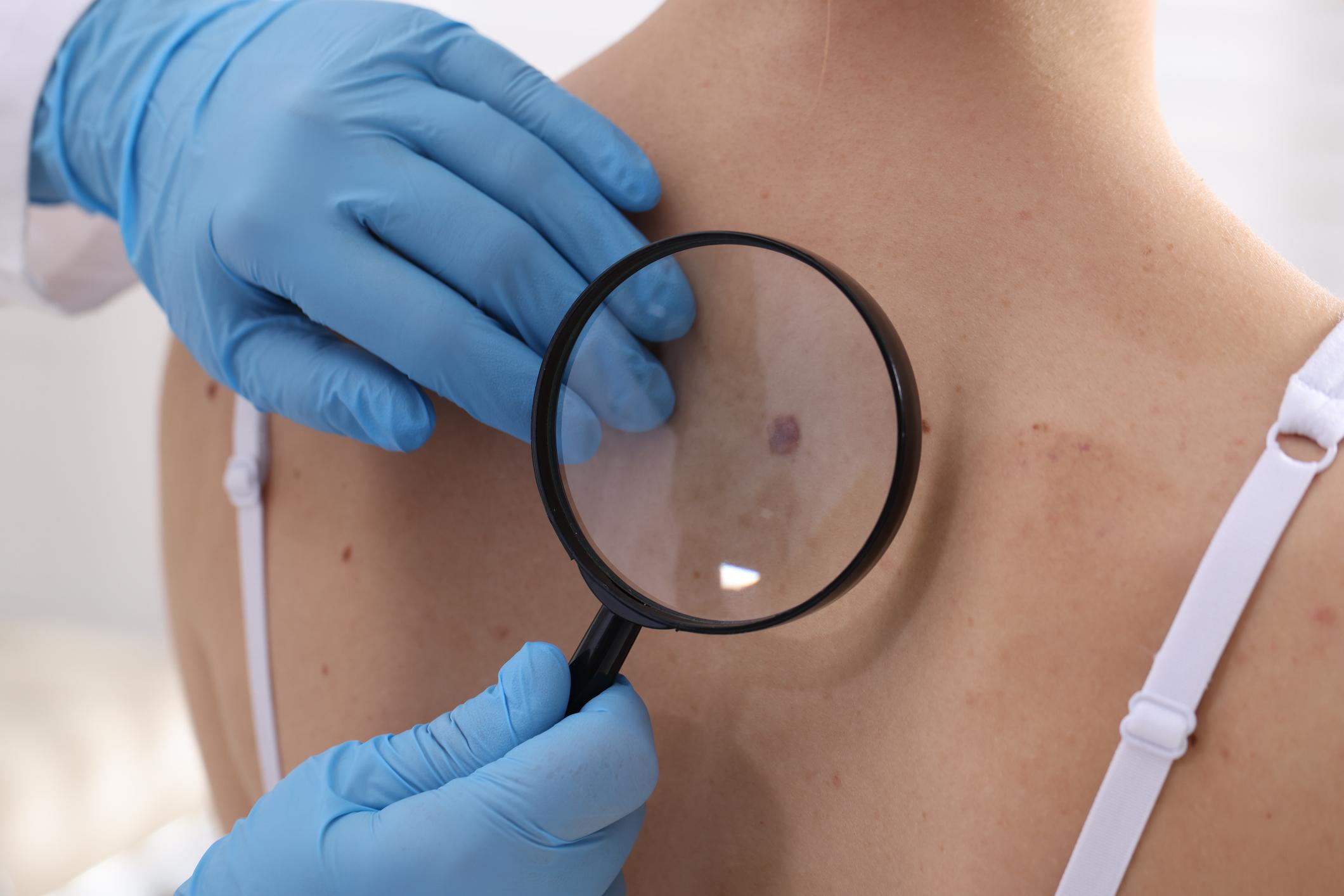
Not every mole is a cause for concern. Most are harmless and remain relatively unchanged over time. However, a new or changing mole, or a spot that looks different from the others on your skin, may be a warning sign of melanoma.
Knowing when to see a doctor for melanoma can help you get suspicious skin changes assessed promptly. You do not need to wait until a mole becomes painful or starts bleeding before seeking medical advice.
In this guide, we explain how to recognise a suspicious mole, which changes to look out for, and what to expect when you visit a healthcare professional.
When Should You See a Doctor for a Suspicious Mole?
You should arrange an appointment with a healthcare professional or dermatologist if you notice a mole or skin spot that:
- Changes in size, shape, colour or texture.
- Has an irregular, uneven or poorly defined border.
- Develops several colours or uneven pigmentation.
- Looks noticeably different from your other moles.
- Starts itching, hurting, bleeding or crusting.
- Develops into a raised or firm growth.
- Does not heal, or repeatedly heals and returns.
You should also get a new or unusual spot checked, particularly if it appears during adulthood or looks different from your existing moles.
These changes do not necessarily mean you have melanoma. Many skin conditions and benign moles can look unusual. However, a professional examination is the best way to determine whether a spot needs further investigation.
If you are concerned about a mole, do not delay seeking medical advice simply because it is small, does not hurt or has not changed dramatically.
How to Recognise a Suspicious Mole: The ABCDE Rule
The ABCDE rule is a useful guide for identifying common warning signs of melanoma. It focuses on five features that may help distinguish a suspicious mole from an ordinary one.
A – Asymmetry
One half of the mole does not match the other half in shape or appearance. A typical benign mole is often symmetrical, while a melanoma may have an uneven shape.
B – Border
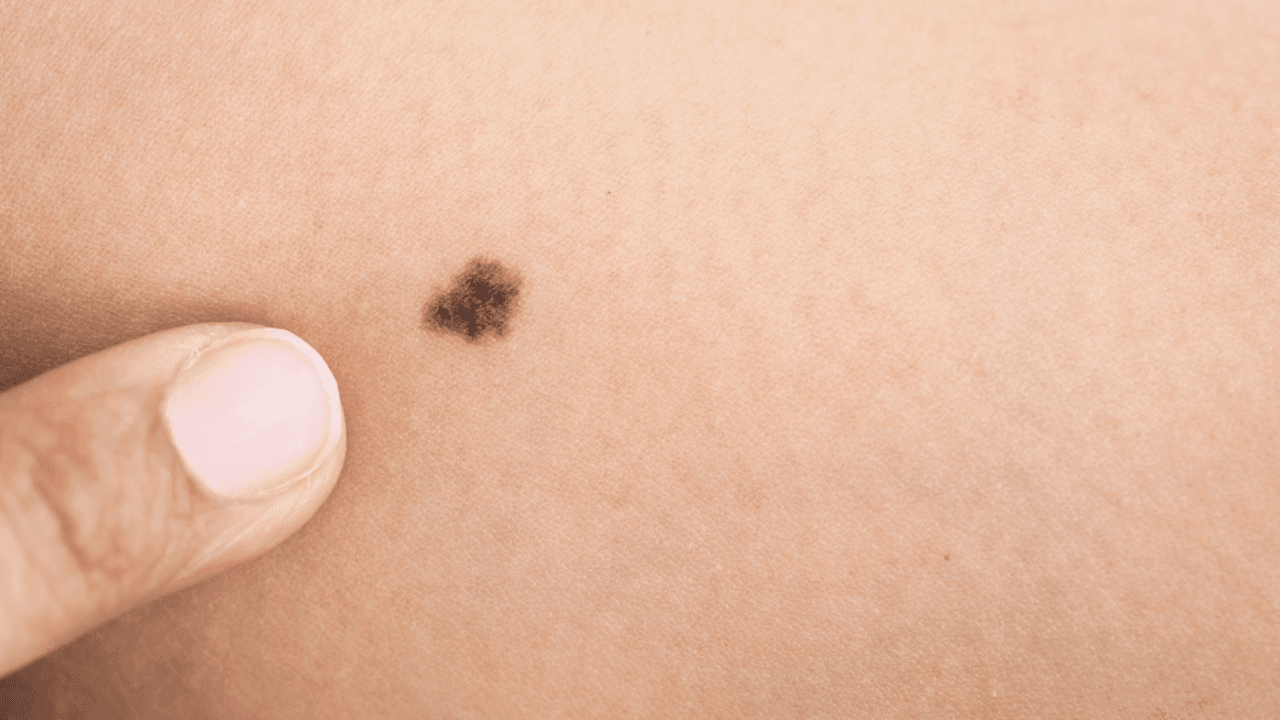
The edges of the mole are irregular, scalloped, blurred or poorly defined rather than smooth and even.
C – Colour
The mole has uneven colouring or multiple shades, such as brown, black, red, pink, white or blue. A mole with a colour change should also be assessed.
D – Diameter
The spot is larger than approximately 6 millimetres, or the size of a pencil eraser. However, melanoma can be smaller than 6 millimetres, so size alone should not determine whether a mole needs checking.
E – Evolving
The mole changes over time. This may include changes in size, shape, colour, elevation or texture, or the development of new symptoms such as itching or bleeding.
The ABCDE rule is a helpful starting point, but it cannot identify every melanoma. If a spot looks unusual or concerns you, arrange a professional skin examination even if it does not show all five features.
Other Warning Signs of a Suspicious Mole

Not all melanomas follow the typical ABCDE pattern. Some may appear differently, which is why it is important to pay attention to changes across your skin. Other warning signs include:
The Ugly Duckling Sign
A mole or spot that looks noticeably different from the others on your body may deserve attention. This is sometimes called the ugly duckling sign.
For example, if most of your moles are small and evenly coloured but one is larger, darker or has an unusual shape, it is worth having it examined.
A New or Unusual Skin Growth
Melanoma can develop as a new spot rather than from an existing mole. A new growth that looks different from your other skin marks should be assessed, particularly if it continues to grow or change.
A Mole That Itches, Bleeds or Becomes Painful
Some melanomas cause itching, tenderness, pain or bleeding. These symptoms can also occur for other reasons, such as irritation or injury, but persistent or unexplained changes should be checked.
A Spot That Looks Like a Sore
A suspicious spot may develop a rough, crusted or open surface. A sore that does not heal, or repeatedly heals and returns, should also be examined by a healthcare professional.
Changes Beneath or Around a Nail
Melanoma can sometimes develop under a fingernail or toenail. Look out for a new or changing dark streak, pigmentation extending onto the surrounding skin, or an unusual change affecting one nail.
Remember that melanoma can occur in areas that receive little sun exposure, including the palms, soles and under the nails.
Can a Suspicious Mole Be Melanoma Even If It Does Not Hurt?
Yes. Melanoma does not always cause pain, itching or other noticeable sensations, especially in its earlier stages.
Some melanomas initially appear as a new or changing spot without any discomfort. Others may be pink, red or skin-coloured rather than dark brown or black.
This is why you should pay attention to visual changes, not just physical symptoms. A mole that looks different from your other spots or changes over time should be assessed even if it feels completely normal.
What Happens When You Visit a Doctor About a Suspicious Mole?
If you visit a doctor because of a suspicious mole, they will usually begin by asking about the spot and examining your skin. The assessment may include the following steps:
Reviewing Your Medical and Skin History
Your doctor may ask when you first noticed the mole, whether it has changed, and whether you have experienced symptoms such as itching or bleeding.
They may also ask about your personal or family history of skin cancer, previous sun exposure and other relevant risk factors.
Examining the Mole
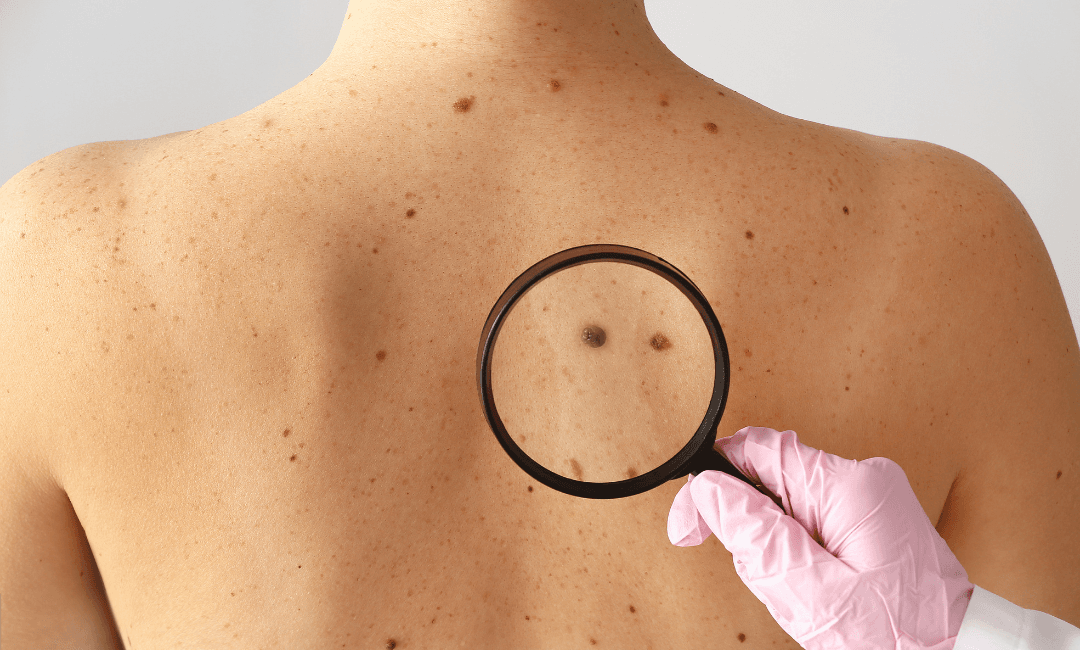
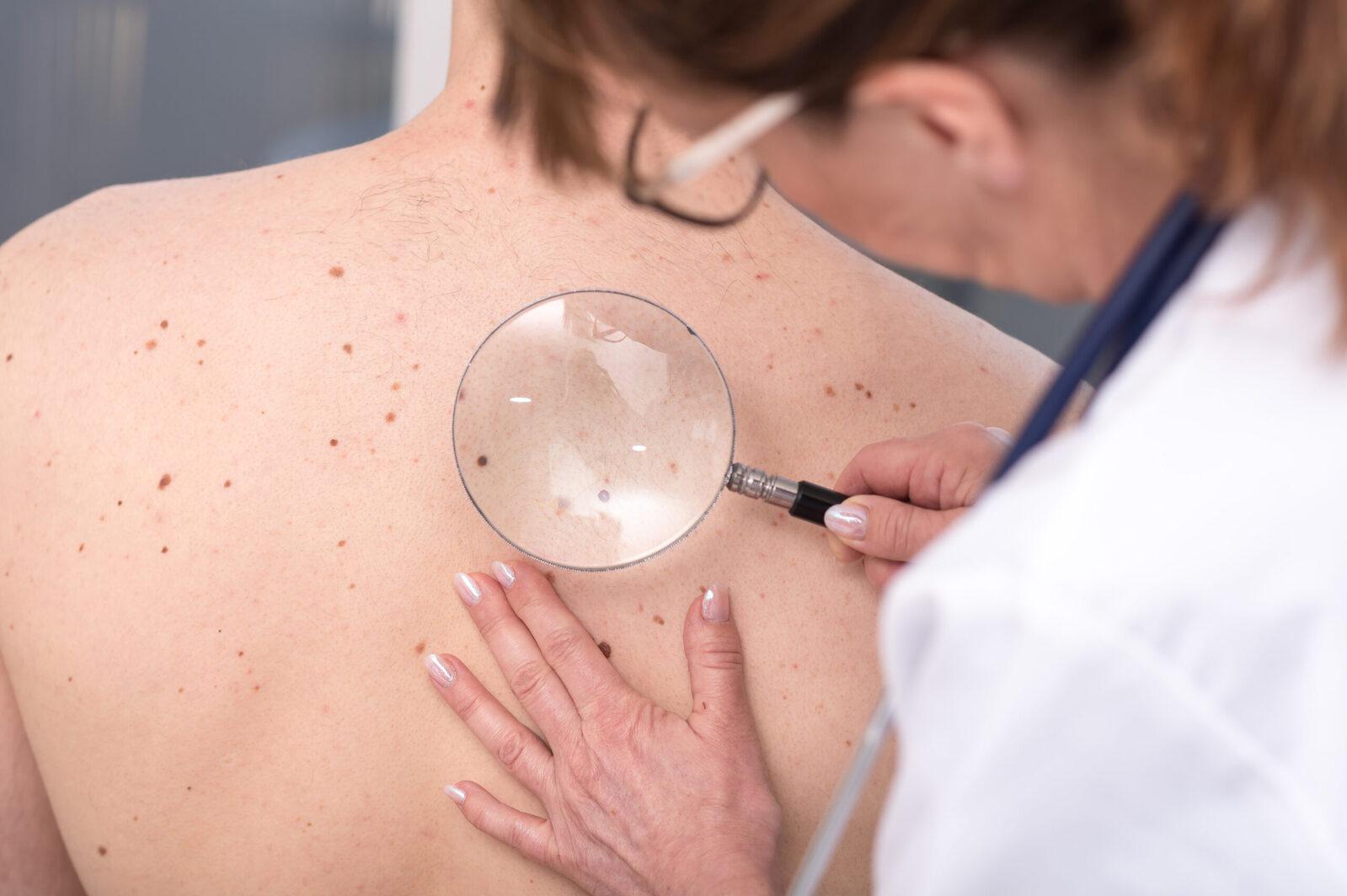
The doctor will inspect the suspicious area and may compare it with other moles on your body.
They may use a dermatoscope, a handheld device that magnifies the skin and helps them examine structures and patterns that are not easily visible to the naked eye.
Recommending Further Tests or a Biopsy
If the mole looks suspicious, the doctor may recommend removing all or part of it for laboratory examination.
A skin biopsy allows a pathologist to examine the tissue under a microscope. It is generally necessary to confirm whether a suspicious lesion is melanoma.
Not every suspicious mole needs a biopsy. Your doctor will decide whether further investigation is appropriate based on the examination.
Discussing the Results and Next Steps
If the biopsy confirms melanoma, additional tests may be recommended depending on the characteristics of the tumour and whether there are signs of spread.
Your healthcare team will explain the diagnosis, staging if applicable, and available treatment options.
You can learn more about the process in our guide to skin cancer diagnosis.
Why Is It Important to Have a Suspicious Mole Checked Early?
Melanoma can grow and spread to other parts of the body if it is not identified and treated. When detected at an early stage, it is generally easier to treat.
Recognising changes and seeking medical advice promptly can help you avoid unnecessary delays in diagnosis.
However, it is important not to assume that every unusual mole is cancerous. The purpose of an examination is to understand what is causing the change and determine whether further investigation is needed.
How to Monitor Your Moles Between Doctor Visits
Checking your skin regularly can help you become familiar with your existing moles and notice changes more easily. Consider these habits:
- Know what is normal for your skin: Familiarise yourself with the location, appearance and pattern of your moles.
- Check your entire body: Look at areas that are easy to miss, including your scalp, back, soles of your feet, palms and between your toes.
- Pay attention to changes: Look for new spots or changes in size, shape, colour, texture or sensation.
- Keep a record: Take photographs of spots you want to monitor, using consistent lighting and distance where possible.
- Seek professional advice when concerned: Do not rely on photographs or self-checks to determine whether a mole is harmless.
If you have many moles, a personal or family history of skin cancer, or other risk factors, ask your dermatologist how often you should have your skin examined.
How Can a Skin Cancer App Help You Monitor Your Skin?

A skin cancer app can support your skin-monitoring routine by helping you document selected skin spots and keep track of changes over time.
SkinVision allows users to submit images of skin spots for assessment and provides guidance on whether further medical attention may be appropriate. Depending on the service and assessment, images may also be reviewed by dermatologists.
This can help you stay more aware of changes and make it easier to discuss a concerning spot with a healthcare professional.
However, SkinVision does not provide a definitive diagnosis and cannot reliably rule out skin cancer. It should not replace a professional skin examination, medical advice or a biopsy when one is recommended.
If you have noticed a suspicious mole or a spot that is changing, consult a healthcare professional rather than relying solely on an app assessment.
FAQs: Suspicious Mole and Melanoma
When should I worry about a suspicious mole?
You should arrange a medical assessment if a mole is changing in size, shape, colour or texture, has an irregular border, looks different from your other moles, or starts itching, bleeding or crusting. A new or unusual spot should also be checked if it concerns you.
What does a suspicious mole look like?
A suspicious mole may have an asymmetrical shape, irregular edges, uneven colouring or a changing appearance. It may also look different from the other moles on your body. However, melanoma can have different appearances, so not every suspicious spot follows the typical ABCDE signs.
Can a mole be cancerous if it is small?
Yes. Although many melanomas are larger than 6 millimetres when diagnosed, some are smaller. A small mole should still be checked if it is changing, looks unusual or has other concerning features.
Should I see a doctor if my mole is itchy but not changing?
Yes, if the itching is persistent or unexplained, it is worth having the mole assessed. Itching can have many causes and does not automatically indicate melanoma, but it should not be ignored when it affects a mole.
Can melanoma develop without an existing mole?
Yes. Melanoma can develop in previously normal-looking skin rather than from an existing mole. This is why it is important to look for new or unusual spots as well as changes to existing moles.
How quickly should I get a suspicious mole checked?
Arrange an appointment promptly if you notice a new or changing mole, an unusual spot, or symptoms such as bleeding, itching or crusting. Do not wait for the spot to become painful or larger before seeking advice. If you are unsure, contact a healthcare professional for guidance.