Melanoma is a type of skin cancer that starts in melanocytes, the cells that give skin its colour. Doctors describe melanoma stages, from stage 0 to stage 4, based on how deeply it has grown into the skin and whether it has spread.
Knowing the melanoma stages helps your healthcare team plan the right treatment and can help you better understand your diagnosis.
The Five Stages of Melanoma

| Melanoma Stages | What It Means |
| Stage 0 | Abnormal melanocytes are confined to the epidermis. Also called melanoma in situ. |
| Stage 1 | A relatively thin invasive melanoma that has not spread to nearby lymph nodes or distant organs. |
| Stage 2 | A thicker or ulcerated melanoma that has not spread to nearby lymph nodes or distant organs. |
| Stage 3 | Melanoma has spread to nearby lymph nodes or nearby skin and lymphatic areas. |
| Stage 4 | Melanoma has spread to distant parts of the body. Also called metastatic melanoma. |
Melanoma stages can also be divided into smaller groups, such as 1A or 2B, which give more detail about the tumour.
How Is Melanoma Staged?
Doctors use a system called TNM, which looks at three things determining the overall melanoma stages:
- Tumour (T): How thick the melanoma is (its Breslow thickness, measured in millimetres) and whether the skin over it has broken down (ulceration). Thicker or ulcerated melanomas are more likely to spread.
- Node (N): Whether melanoma has reached nearby lymph nodes, small glands that are part of the immune system.
- Metastasis (M): Whether melanoma has spread to distant parts of the body.
Melanoma Stages Explained
Stage 0 Melanoma: Melanoma in Situ
The abnormal cells are found only in the top layer of the skin (the epidermis). They have not grown deeper or spread.
Treatment: The melanoma is usually removed with surgery, together with a small margin of healthy skin.
Stage 1: Early Invasive Melanoma
The melanoma has grown into the deeper layer of the skin (the dermis), but it is still thin and has not spread. Stage 1 is divided into 1A and 1B, depending on its thickness and whether it is ulcerated.
Treatment: Surgery to remove the melanoma with a margin of healthy skin (wide local excision). Your specialist may also suggest a sentinel lymph node biopsy, which checks the first lymph node or nodes where the cancer would be most likely to spread.
Stage 2: Thicker or Ulcerated Melanoma
The melanoma is thicker or ulcerated, but it still has not spread. Stage 2 is divided into three groups:
- Stage 2A: 1–2 mm thick and ulcerated, or 2–4 mm thick without ulceration
- Stage 2B: 2–4 mm thick and ulcerated, or more than 4 mm thick without ulceration
- Stage 2C: More than 4 mm thick and ulcerated
Treatment: Wide local excision, sometimes with a sentinel lymph node biopsy. Some people may also be offered medicine after surgery (adjuvant therapy) to lower the risk of the melanoma coming back.
Stage 3: Melanoma That Has Spread Nearby
The melanoma has spread to nearby lymph nodes or to skin or lymph vessels close to the original tumour. Stage 3 is divided into 3A to 3D, mainly depending on how many lymph nodes are affected and the features of the original tumour.
Treatment: Usually surgery, often combined with immunotherapy (medicines that help the immune system attack cancer cells) or targeted therapy (medicines that act on specific gene changes, such as BRAF mutations). These medicines may be given before or after surgery. Radiotherapy is sometimes used.
Stage 4: Metastatic Melanoma
The melanoma has spread to distant parts of the body, such as the lungs, liver, brain, bones, distant lymph nodes or other areas of skin. Symptoms depend on where it has spread and may include tiredness, weight loss or pain, although some people have no symptoms.
Treatment: Usually immunotherapy or targeted therapy. Surgery or radiotherapy may help in some cases, and clinical trials can offer access to new treatments. Treatment for stage 4 melanoma has improved considerably in recent years.
What Tests Are Used to Measure Melanoma Stages?
Not everyone needs every test. Depending on your situation, your healthcare team may use:
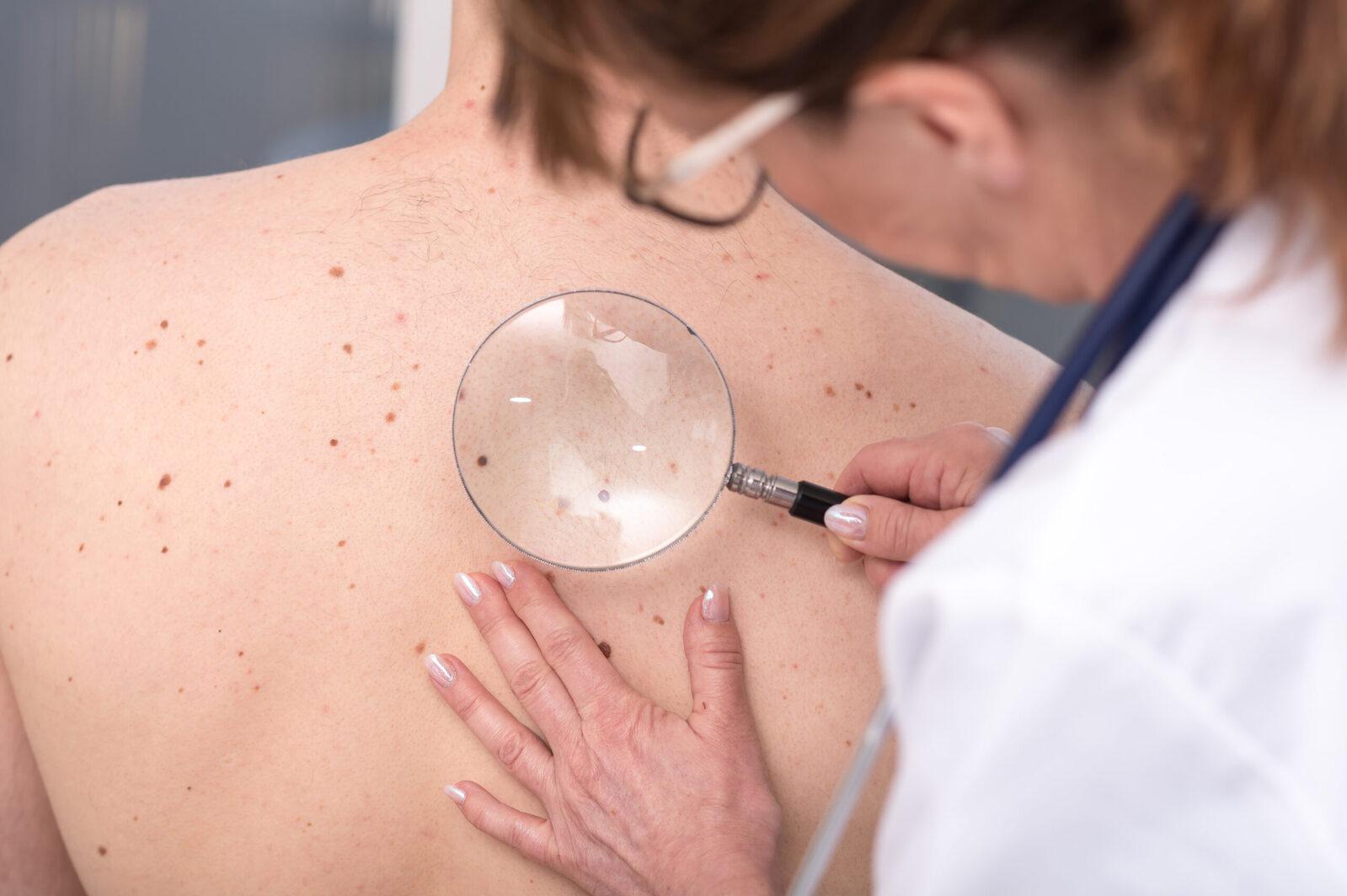
- Skin examination: To assess the spot and check nearby lymph nodes for swelling.
- Skin biopsy: The tissue is examined under a microscope to confirm melanoma and measure its thickness and ulceration.
- Sentinel lymph node biopsy: To check whether melanoma has reached nearby lymph nodes.
- Imaging tests: CT, MRI or PET scans to look for spread to other parts of the body.
- Blood tests: For advanced melanoma, a blood test called LDH can help with staging.
How Do Melanoma Stages Affect the Outlook?
Yes. In general, melanoma found before it spreads has a better outlook than melanoma that has spread. Early melanoma can often be treated successfully with surgery alone.
However, the stage cannot predict exactly what will happen to an individual person. Other factors, such as your overall health and how you respond to treatment, also play a role. Your specialist can explain what your results mean for you.
Take an Active Approach to Skin Health

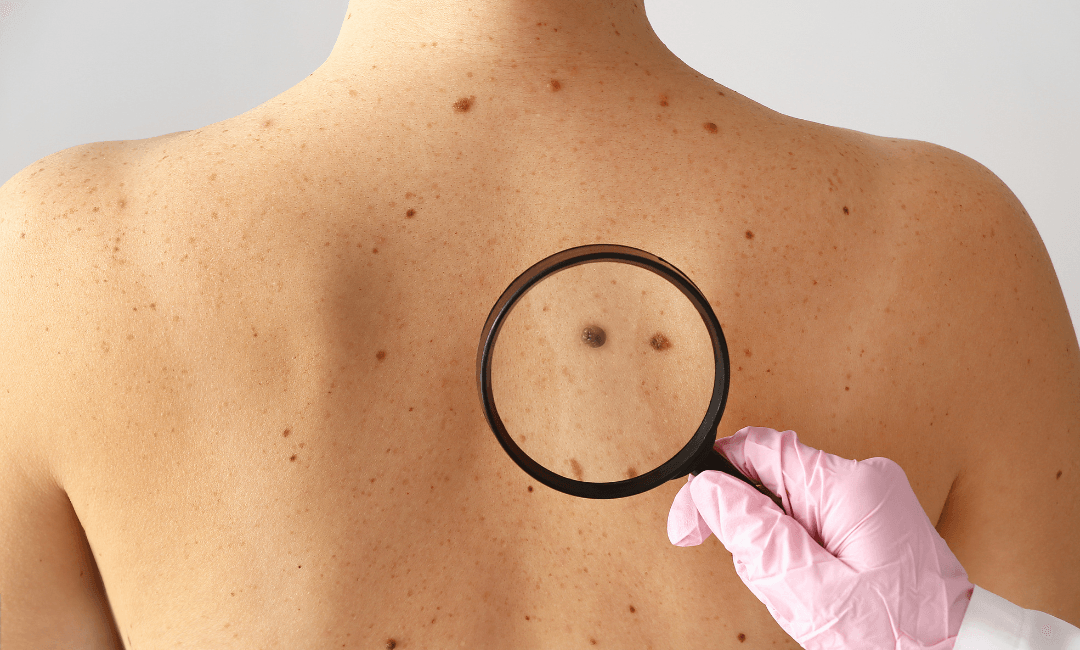
Pay attention to new or changing spots, especially those that look different from your other moles, and have them checked by a healthcare professional.
The SkinVision skin cancer app can help you check skin spots and keep track of changes over time. It does not diagnose melanoma or replace a medical examination, so if a spot worries you, see a healthcare professional.
FAQs about Melanoma Stages
What is the difference between stage 1 and stage 2 melanoma?
Stage 1 melanoma is thinner, while stage 2 melanoma is thicker or ulcerated. In both stages, the melanoma has not spread to lymph nodes or other parts of the body.
How quickly does melanoma progress from one stage to another?
There is no fixed timeline. How quickly melanoma grows and spreads varies from person to person and depends on the characteristics of the tumour.
Can melanoma be stage 4 without spreading to lymph nodes?
Yes. Stage 4 is defined by spread to distant parts of the body, which can happen even if nearby lymph nodes are not affected.
Is stage 4 melanoma curable?
Stage 4 melanoma can be difficult to treat. However, modern treatments such as immunotherapy and targeted therapy have improved outcomes, and some people achieve long-term control of the disease. Results vary between individuals.
Can melanoma come back after treatment?
Yes. The risk depends on the original stage and other individual factors. Regular follow-up appointments help detect any recurrence or new skin changes early.